

Email : hshuimen@163.com
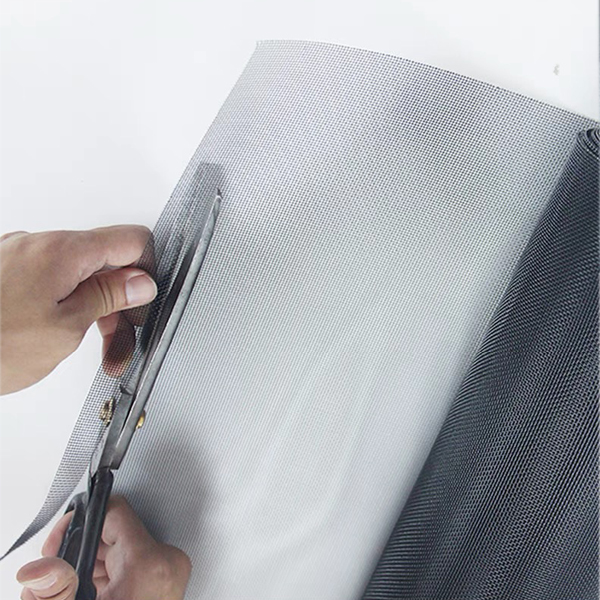

Fly screen mesh materials directly determine product performance, durability and service lifespan. Different materials adapt to distinct household scenarios, making material selection the most critical step before purchase. The home market mainly provides three mainstream types: monofilament mesh, aluminum alloy mesh, and stainless steel mesh. Each material has unique strengths and weaknesses that greatly affect daily usage experience.
Monofilament fly screen mesh is the most budget-friendly option with ultra-light weight and easy DIY installation. It works well for short-term temporary residence. However, its durability is unsatisfactory. It is vulnerable to scratches, wind impact and deformation, with a short service life of only three to five years. Aluminum alloy mesh offers a perfect balance of cost and performance. It resists rust and corrosion, maintains stable shapes outdoors, and delivers smooth ventilation, ideal for long-term ordinary families.
Stainless steel mesh stands out with top-tier durability and tear resistance. It withstands strong wind, friction and external impact, serving stably for over ten years. The only downside is its relatively higher price. For practical and cost-effective choices, short-term renters can pick monofilament mesh, while permanent residents should prioritize aluminum alloy and stainless steel mesh to reduce long-term maintenance and replacement costs.