

Email : hshuimen@163.com
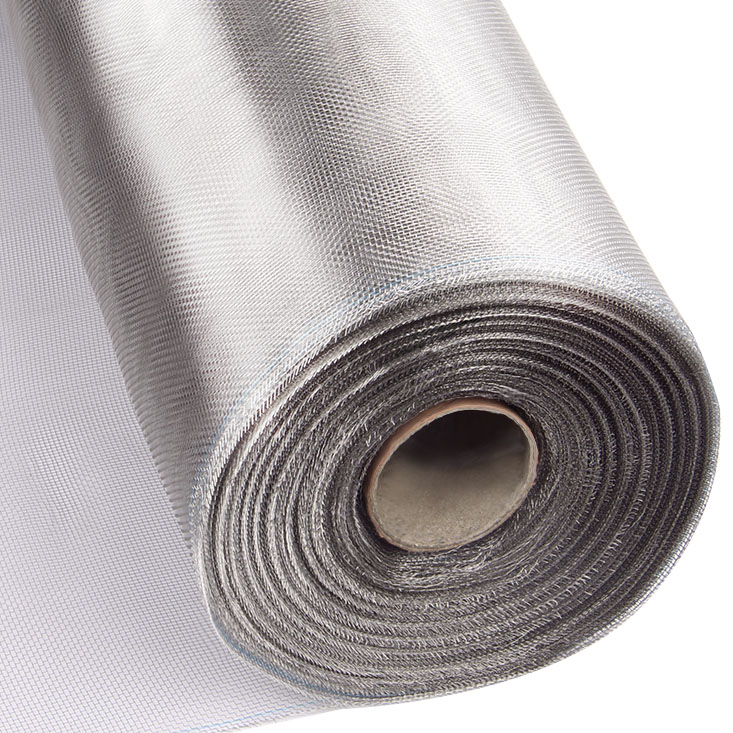

Homeowners often struggle to choose between aluminum fly screen mesh and stainless steel fly screen mesh. Both are popular metal screen solutions. They perform better than standard fiber mesh in stability and lifespan. They support smooth ventilation and reliable insect blocking. Even so, the two materials have clear differences. They vary in corrosion resistance, toughness and service life. They also fit different home environments and budgets. Learning these gaps helps users make a wise long-term window screen choice.
Aluminum fly screen mesh is a budget-friendly metal screen for regular homes. It is lightweight and easy to install. It delivers stable ventilation and basic rust resistance. It works well in dry urban areas. Its low price makes it ideal for short-term housing and simple window updates. Still, aluminum mesh has noticeable weaknesses. It has low tensile strength. It bends and deforms under strong wind or daily impact. It oxidates faster in humid and coastal climates. Over time, mesh holes loosen, and insect-proof ability drops. The average service life of aluminum fly screen mesh is only 5 to 7 years.
Stainless steel fly screen mesh is a high-performance upgrade for long-term household use. Most quality models adopt 304 stainless steel material. It provides excellent rust and corrosion resistance. It adapts to rainy, humid and coastal weather conditions. It features strong tensile force and scratch resistance. It resists pet scratches, wind pressure and daily friction. It rarely deforms or tears. Its service life reaches 8 to 10 years. It cuts frequent replacement and maintenance costs. Stainless steel fly screen mesh has a higher upfront price. However, its stable performance and long lifespan bring better overall cost efficiency. It is the safer and more reliable option for long-term residents, pet families and high-rise buildings.